
Call Now For A Case Evaluation
Call Now For A Case Evaluation
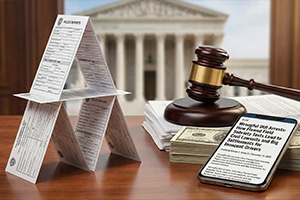 As an Alpharetta DUI lawyer and wrongful arrest injury attorney with over 25 years at George C. Creal, Jr. P.C., Trial Lawyers, I’ve seen too many sober drivers hauled off in handcuffs based on junk science and biased police work. Field sobriety tests (FSTs) pushed by the National Highway Traffic Safety Administration (NHTSA) and Drug Recognition Expert (DRE) evaluations are often riddled with flaws, leading officers to ignore clear signs of innocence while padding reports with buzzwords like “bloodshot eyes,” “slurred speech,” or “odor of cannabis.” When blood or urine tests come back negative for alcohol and drugs, these arrests don’t just evaporate—they spark civil rights lawsuits under 42 U.S.C. § 1983, resulting in monetary settlements for false arrest and malicious prosecution. Let’s break this down, using the landmark Kingsland v. City of Miami, 382 F.3d 1220 (11th Cir. 2004), to illustrate how these cases play out and why police defenses often crumble.
NHTSA’s “standardized” field sobriety tests—like the Horizontal Gaze Nystagmus (HGN), Walk-and-Turn, and One-Leg Stand—claim high accuracy rates (e.g., 88% for HGN detecting BAC over 0.08). But as we’ve exposed in prior posts analyzing NHTSA’s own 2007 Robustness Study, these tests produce shocking false positives: Up to 67% of sober subjects failed under lab conditions. DRE programs, which train officers to “evaluate” impairment from drugs, fare no better. Officers often misinterpret natural reactions—like dizziness from an accident or red eyes from crying—as impairment.
In Georgia, under O.C.G.A. § 40-6-391, these tests establish probable cause for arrest. But when officers ignore exculpatory evidence (e.g., no drugs found, negative tests), they bolster reports with vague “buzzwords” to justify the cuffing. I’ve cross-examined officers who admit skipping searches for drugs despite claiming an “odor,” or failing to note accident-related injuries. This isn’t oversight—it’s selective policing that turns sober drivers into suspects.
Picture this: You’re in a car crash, dazed and injured. Officers arrive, perform FSTs without considering your head trauma, and arrest you for DUI despite zero evidence of substances. They disregard witness statements, refuse medical aid, and file reports loaded with impairment lingo. Later, lab results prove you’re clean—no alcohol, no drugs. This isn’t rare; it’s a pattern leading to civil suits.
In these cases, officers violate the Fourth Amendment by arresting without probable cause (warrantless seizure) and fabricating evidence, setting up malicious prosecution. Victims suffer humiliation, lost wages, legal fees, and emotional distress, often bonding out for $1,000+ like in many Georgia cases. When charges drop (as they do when tests are negative), the real fight begins: Suing for damages.
Under § 1983, you can sue officers and municipalities for violating your constitutional rights. Key claims:
Settlements can be substantial: $50,000–$500,000+ depending on damages, with punitive awards for egregious conduct. In Georgia, we’ve secured dismissals and settlements by highlighting these flaws.
Officers often raise qualified immunity, shielding them if their actions didn’t violate “clearly established” rights (Harlow v. Fitzgerald, 457 U.S. 800 (1982)). But it’s not a free pass. Even if no actual probable cause, they claim “arguable probable cause”—what a reasonable officer might believe (Jones v. Cannon, 174 F.3d 1271 (11th Cir. 1999)).
Enter Kingsland v. City of Miami, 382 F.3d 1220 (11th Cir. 2004): Misty Kingsland collided with an off-duty Miami officer. Officers claimed she smelled of cannabis, had bloodshot eyes, and failed FSTs—arresting her for DUI despite no drugs found and negative tests. She sued for false arrest and malicious prosecution, alleging fabrication (e.g., invented odors) and ignored exculpatory evidence (e.g., accident injuries causing symptoms).
The Eleventh Circuit reversed summary judgment for officers:
Kingsland shows defenses fail when juries see bias: Officers can’t claim immunity if they knowingly violated rights. In Georgia, similar suits thrive when we prove selective reporting—e.g., buzzwords without context, ignored negatives.
At George C. Creal, Jr. P.C., we’ve turned wrongful arrests into victories. We suppress flawed FST evidence, challenge DRE “experts,” and pursue § 1983 suits for settlements. If you’ve been arrested sober due to bad tests, don’t settle—fight.
Contact us for a free consultation at (770) 961-5511 or visit www.georgialawyer.com. Serving Alpharetta, Fulton County, and metro Atlanta—let’s expose the flaws and get you justice.
George C. Creal, Jr. is the founder of George C. Creal, Jr. P.C., Trial Lawyers. This post is for informational purposes only and not legal advice.

George Creal is a trial lawyer who has been practicing law
in the Metro-Atlanta area for over 27 years. George brings
a broad range of experience to the courtroom. Read More